

Denver Motorcycle Accident Lawyer

Have you been injured in aMotorcycle accidents in Denver happen in seconds, but the injuries and financial burden can last a lifetime. When a negligent driver causes your crash, Zaner Law Personal Injury Lawyers fights to hold them accountable and recover the compensation you deserve.
Our (720) 613-9706 team understands the unique challenges riders face—from bias against motorcyclists to complex insurance disputes—and we’re committed to protecting your rights every step of the way. motorcycle accident in Denver, CO? Our experienced Denver motorcycle accident attorneys from Zaner Law Personal Injury Lawyers are ready to help you earn the compensation you deserve. Call (720) 613-9706 to schedule your no-cost, no-obligation consultation.
Why Choose Zaner Law Personal Injury Lawyers for Your Motorcycle Accident Claim
When you’re injured in a motorcycle accident, you need an attorney who understands both the law and the motorcycle community. Zaner Law Personal Injury Lawyers brings years of experience fighting for riders in Denver and throughout Colorado. We know how insurance companies and juries sometimes unfairly blame motorcyclists, and we’re prepared to counter those biases with evidence, expert testimony, and aggressive advocacy.
Our approach is straightforward: we investigate your accident thoroughly, preserve critical evidence, and build a strong case that holds the at-fault driver accountable. We work on a contingency fee basis, which means you pay nothing upfront—we only get paid if we recover compensation for you. We’re available 24/7 for emergency consultations, and we treat every client with the respect and attention their case deserves.
Zaner Law Personal Injury Lawyers has recovered millions of dollars for injured riders through our case results. We understand that a motorcycle accident isn’t just about property damage—it’s about your health, your livelihood, and your future. That’s why we fight for every dollar you’re entitled to, from medical expenses and lost wages to pain and suffering and loss of enjoyment of life. Our experienced motorcycle accident attorneys have the knowledge and resources to handle even the most complex cases.
Common Causes of Motorcycle Accidents in Denver
Left-Turn and Lane-Change Crashes
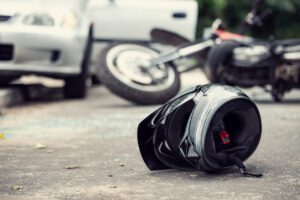
Left-turn accidents are among the most dangerous crashes for motorcyclists. A driver turning left across traffic often fails to see an oncoming motorcycle, especially if the rider is in the driver’s blind spot or the sun is in the driver’s eyes. These collisions happen at intersections, driveways, and parking lots—places where riders have every right to expect safe passage. According to NHTSA motorcycle safety data, 46% of fatal two-vehicle motorcycle crashes involve left-turning vehicles, and According to recent NHTSA data, motorcyclists face a fatality rate that is nearly 30 times higher than passenger car occupants. Because the odds are stacked against riders, we fight to ensure the settlement covers the true lifetime cost of your recovery.
Lane-change crashes occur when a driver changes lanes without checking their mirrors or blind spots. Because motorcycles are smaller than cars, drivers sometimes don’t notice them. A sudden lane change can force a rider off the road, cause a sideswipe collision, or trigger a chain-reaction crash. These accidents are particularly dangerous because the rider has little time to react or escape. Understanding common road dangers for motorcyclists helps riders stay alert and avoid preventable accidents.
What makes left-turn and lane-change crashes different from car-on-car collisions is the vulnerability of the motorcycle rider. A car has a metal frame, airbags, and crumple zones designed to absorb impact. A motorcycle rider has only protective gear and their body. The same impact that might cause minor injuries in a car can cause catastrophic injuries or death on a motorcycle. This is why motorcycle safety tips are so critical for riders. The Colorado State Patrol emphasizes that riders must remain vigilant at intersections where left-turn accidents are most common.
Driver Negligence and Distracted Driving
Distracted driving is a leading cause of motorcycle accidents in Denver. Drivers texting, checking social media, eating, or adjusting their GPS take their eyes off the road for seconds at a time—long enough to miss a motorcycle and cause a crash. Speeding and reckless driving also contribute to motorcycle accidents. A driver traveling too fast for road conditions may not be able to stop or swerve to avoid a rider.
Impaired driving—whether from alcohol, drugs, or prescription medications—slows reaction times and impairs judgment. An impaired driver may not see a motorcycle until it’s too late, or they may misjudge the distance and speed of an oncoming rider. These accidents are particularly tragic because they’re entirely preventable. If you’ve been injured by a negligent driver, our Denver motorcycle accident lawyer team can help you pursue compensation. According to NHTSA fatality statistics, impaired riding and driving contribute significantly to motorcycle crash fatalities.
Injuries Riders Suffer in Denver Motorcycle Crashes
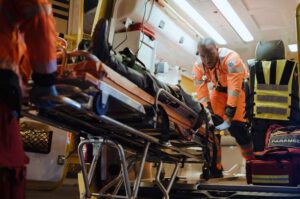
Motorcycle accidents often result in severe injuries because riders lack the protection that car occupants have. Traumatic brain injuries (TBI) and concussions occur when a rider’s head strikes the pavement, another vehicle, or an object. Even with a helmet, the force of impact can cause brain damage that affects memory, cognition, and personality. Spinal cord injuries can result in partial or complete paralysis, permanently changing a rider’s ability to work and enjoy life.
Severe lacerations and road rash happen when a rider slides across the pavement. The skin is scraped away, exposing muscle and tissue underneath. These injuries are painful, prone to infection, and often leave permanent scars. Broken bones and fractures are common in motorcycle accidents—riders often break their arms, legs, ribs, and collarbones as they try to protect themselves during a crash. Learn more about common motorcycle accident injuries in our detailed guide.
Internal injuries and organ damage may not be immediately apparent. A rider might feel fine at the scene but develop internal bleeding, a punctured lung, or organ damage hours or days later. Psychological trauma and PTSD are also common after a serious motorcycle accident. Riders may develop anxiety about riding again, experience nightmares, or struggle with depression as they recover from their injuries. Research from the Insurance Institute for Highway Safety (IIHS) shows that motorcycle injuries are significantly more severe than those in passenger vehicles.
Proving Negligence and Liability in Motorcycle Accident Cases
The Four Elements of Negligence
To recover compensation for your motorcycle accident, Zaner Law Personal Injury Lawyers must prove that the at-fault driver was negligent. Negligence has four elements: duty, breach, causation, and damages.
Duty means the driver had a legal obligation to operate their vehicle safely and follow traffic laws. Every driver on the road has this duty to other road users, including motorcyclists.
Breach means the driver violated that duty by acting carelessly or recklessly. Examples include texting while driving, speeding, running a red light, or failing to check blind spots before changing lanes.
Causation means the driver’s breach directly caused your accident and injuries. We must show that but for the driver’s negligent action, your accident would not have happened.
Damages means you suffered actual injuries and losses as a result of the accident. These include medical expenses, lost wages, pain and suffering, and other measurable harms. Understanding negligence and liability is critical to your case, and our attorneys have extensive experience proving these elements in court.
Overcoming Bias Against Riders
Unfortunately, insurance companies and juries sometimes hold unfair stereotypes about motorcyclists. They may assume a rider was speeding, showing off, or riding recklessly—even when the evidence shows otherwise. This bias can make it harder to recover fair compensation.
Zaner Law Personal Injury Lawyers knows how to counter these stereotypes. We gather evidence that tells your story: police reports, witness statements, accident reconstruction experts, and medical records. We show that you were riding safely and lawfully when the other driver’s negligence caused the crash. We present your case in a way that helps juries see you as a responsible rider, not a stereotype.
We also use expert testimony to explain how motorcycle accidents happen and why riders are vulnerable. An accident reconstruction expert can show exactly how the crash occurred and who was at fault. A medical expert can explain the severity of your injuries and why you need ongoing treatment. These experts help overcome bias and establish the truth.
Colorado Motorcycle Laws and Your Rights

Colorado law requires riders under 18 to wear a helmet. While helmets are not required for riders 18 and older, wearing one significantly reduces the risk of head injury and death. Eye protection—goggles or glasses—is required for all riders. Motorcycles must have functioning headlights, taillights, and turn signals, and riders must have valid motorcycle endorsements on their driver’s licenses. For a comprehensive overview, consult our detailed guide to motorcycle laws in Colorado. These requirements are codified in Colorado Revised Statutes § 42-4-1502.
While high-speed Lane Splitting remains illegal, Colorado passed a new Lane Filtering law (SB24-079) effective August 2024. Riders can now legally pass stopped vehicles in the same lane if traffic is at a standstill and the rider moves at 15 mph or less. Insurance adjusters often confuse legal ‘filtering’ with illegal ‘splitting’ to deny claims—we know the difference and use the new law to defend your actions. However, even if you were partially at fault, Colorado’s modified comparative negligence law allows you to recover damages if you were less than 50% at fault. Your recovery is reduced by your percentage of fault, but you can still receive compensation. Understanding your helmet law rights is important if you weren’t wearing protective gear. The Colorado Department of Transportation (CDOT) provides additional safety resources and guidance for riders.
Accurate. Unlike general personal injury (2 years), motor vehicle accidents in Colorado have a 3-year window (C.R.S. § 13-80-101(1)(n)). This is correctly stated. If you wait longer than three years, you lose your right to sue. This is why it’s important to contact Zaner Law Personal Injury Lawyers as soon as possible after your accident. We can preserve evidence, interview witnesses, and begin building your case while details are fresh.
Damages You Can Recover After a Motorcycle Accident
Economic Damages
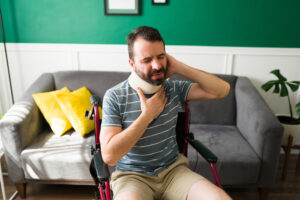
Economic damages are the measurable financial losses you suffered because of your accident. Medical expenses include emergency room care, surgery, hospitalization, physical therapy, and ongoing treatment. If your injuries require long-term care, we include the cost of future medical treatment in your claim. Learn more about economic damages and how we calculate them in your case.
Lost wages are the income you lost while recovering from your injuries. If your injuries prevent you from returning to work, we calculate your loss of earning capacity—the difference between what you would have earned and what you can now earn given your injuries.
Property damage covers the cost of repairing or replacing your motorcycle. We also include the cost of any gear or equipment damaged in the accident. When calculating your total damages, we ensure every financial loss is accounted for.
Non-Economic Damages
Non-economic damages compensate you for the non-financial harms you suffered. Pain and suffering covers the physical pain and discomfort of your injuries. Loss of enjoyment of life recognizes that your injuries may prevent you from doing activities you loved—riding your motorcycle, playing sports, or spending time with family.
Emotional distress and psychological trauma are real harms caused by serious accidents. If you developed PTSD, anxiety, or depression as a result of your accident, we include these in your claim. Loss of consortium recognizes the impact your injuries have on your relationships with your spouse or family members. Non-economic damages can be substantial, and we fight to ensure you receive full compensation for these intangible losses. We also pursue punitive damages when the at-fault driver’s conduct warrants it.
Insurance Disputes and Bad Faith Claims
Insurance companies sometimes undervalue motorcycle accident claims or deny them altogether. They may argue that you were partially at fault, that your injuries aren’t as serious as you claim, or that your medical treatment was unnecessary. They may delay paying your claim, hoping you’ll accept a lowball settlement out of desperation.
Zaner Law Personal Injury Lawyers negotiates with insurance companies on your behalf. We present evidence of the other driver’s fault, medical records documenting your injuries, and expert testimony supporting your damages. We know the tactics insurers use, and we counter them with facts and law.
If an insurance company acts in bad faith—refusing to pay a valid claim, misrepresenting policy terms, or failing to investigate your claim fairly—we can pursue a bad faith insurance claim. This allows you to recover not only your damages but also attorney’s fees and punitive damages. According to the Insurance Information Institute, understanding your coverage and rights is essential when dealing with insurance disputes. Bad faith claims send a message to insurance companies that they can’t mistreat injured riders.
What to Do After a Motorcycle Accident in Denver
Immediate Steps at the Scene
If you’re injured in a motorcycle accident, your first priority is safety. Check yourself and any passengers for injuries. If anyone is seriously hurt, call 911 immediately. If possible and safe, move your motorcycle out of traffic to prevent additional accidents.
Document the scene with photos and video. Take pictures of vehicle damage, road conditions, traffic signs, and the overall accident scene. Get the names, phone numbers, and addresses of any witnesses. Get the other driver’s name, phone number, address, driver’s license number, vehicle information, and insurance details.
Do not admit fault or apologize for the accident, even if you think you might have been partially responsible. Anything you say can be used against you later. Be polite but brief with the other driver and police. For detailed guidance, see our what to do after a motorcycle accident blog post.
After You Leave the Scene
Seek medical attention immediately, even if you feel fine. Some injuries—internal bleeding, concussions, spinal injuries—don’t show symptoms right away. A medical evaluation creates a record of your injuries and begins treatment.
Report the accident to police and get the police report number. The police report is important evidence in your claim. Notify your insurance company of the accident, but don’t give a recorded statement without talking to an attorney first.
Contact Zaner Law Personal Injury Lawyers for a free consultation before speaking with the other driver’s insurance company. Insurance adjusters are trained to minimize claims. An attorney protects your rights and ensures you don’t say anything that could hurt your case. Our team is available to discuss your motorcycle accident claim immediately.
Frequently Asked Questions About Denver Motorcycle Accidents
How much is my motorcycle accident settlement worth?
The value of your settlement depends on several factors: the severity of your injuries, the cost of medical treatment, how much income you lost, whether you can return to work, and the strength of liability evidence. Minor injuries might settle for a few thousand dollars, while serious injuries can result in settlements worth hundreds of thousands or millions of dollars. Zaner Law Personal Injury Lawyers evaluates all these factors and fights for the maximum compensation you deserve.
Can I recover damages if I wasn’t wearing a helmet?
Yes. Colorado doesn’t require helmets for riders 18 and older, so not wearing a helmet doesn’t automatically make you at fault. However, the other driver’s insurance company may argue that a helmet would have prevented or reduced your injuries. We counter this argument with medical evidence showing that your injuries would have occurred regardless of helmet use. Even if a jury finds that you were partially at fault for not wearing a helmet, Colorado’s comparative negligence law allows you to recover if you were less than 50% at fault.
What if I was partially at fault for the accident?
Colorado uses modified comparative negligence. You can recover damages even if you were partially at fault, as long as you were less than 50% at fault. Your recovery is reduced by your percentage of fault. For example, if you were 20% at fault and your damages are $100,000, you recover $80,000. Zaner Law Personal Injury Lawyers works to minimize your percentage of fault and maximize your recovery.
How long do I have to file a motorcycle accident lawsuit in Colorado?
Colorado’s statute of limitations is three years from the date of your accident. If you don’t file a lawsuit within three years, you lose your right to sue and cannot recover compensation. This is why it’s important to contact Zaner Law Personal Injury Lawyers as soon as possible. We can file your lawsuit before the deadline and preserve your rights.
What’s the difference between a motorcycle accident claim and a car accident claim?
Motorcycle accidents often result in more severe injuries because riders lack the protection that car occupants have. Juries and insurance companies sometimes hold unfair biases against motorcyclists, assuming they were riding recklessly. Motorcycle accident claims require specialized knowledge of motorcycle laws, accident reconstruction, and how to counter bias. Zaner Law Personal Injury Lawyers has the expertise to handle these unique challenges. If you’ve been injured in a Denver car accident, we handle those cases as well.
How long does it take to resolve a motorcycle accident case?
Simple cases with clear liability and minor injuries may settle within a few months. Complex cases with serious injuries, disputed liability, or bad faith insurance practices may take a year or longer. We work as quickly as possible while ensuring we recover the maximum compensation. We don’t rush to settle just to close a case—we fight for your rights.
What should I do if the insurance company denies my claim?
Don’t accept a denial without fighting back. Insurance companies sometimes deny valid claims hoping claimants will give up. Zaner Law Personal Injury Lawyers can appeal the denial, provide additional evidence, and pursue a bad faith insurance claim if appropriate. We have the resources and experience to challenge insurance company decisions.
Do I need an attorney for my motorcycle accident case?
While you can handle a claim yourself, having an attorney significantly improves your chances of recovering fair compensation. Insurance adjusters are trained to minimize claims, and they take advantage of unrepresented claimants. An attorney levels the playing field, negotiates on your behalf, and protects your rights. Zaner Law Personal Injury Lawyers works on a contingency fee basis, so you pay nothing upfront.
What if the at-fault driver doesn’t have insurance?
If the at-fault driver is uninsured, you may be able to recover through your own uninsured motorist coverage. This coverage is designed to protect you when the other driver doesn’t have insurance. Zaner Law Personal Injury Lawyers helps you navigate the claims process and recover under your own policy.
Can I pursue punitive damages in a motorcycle accident case?
Punitive damages are available in cases where the at-fault driver’s conduct was reckless or intentional. For example, if a driver was severely impaired or driving at extremely high speeds, a jury might award punitive damages to punish the driver and deter similar conduct. Punitive damages are not available in every case, but Zaner Law Personal Injury Lawyers pursues them when the evidence supports it.
Call Zaner Law Personal Injury Lawyers for Your Free Motorcycle Accident Consultation
If you’ve been injured in a motorcycle accident in Denver, don’t wait. Contact Zaner Law Personal Injury Lawyers today for a free consultation. We’ll review your case, answer your questions, and explain your options. We work on a contingency fee basis, so you pay nothing unless we recover compensation for you.
The statute of limitations gives you only three years to file a lawsuit. Evidence fades, witnesses move away, and memories become unclear. The sooner you contact us, the sooner we can begin investigating your accident and building your case.
Call (720) 613-9706 now or fill out our online contact form to schedule your free consultation. We’re available 24/7 to help injured riders in Denver and throughout Colorado.
Related Posts
- Colorado’s Most Dangerous Roads for Motorcycles
- What Evidence Do You Need for a Strong Motorcycle Accident Injury Claim in Denver, CO?
- What to Do After a Motorcycle Accident
- Colorado Motorcycle Laws