
Traffic and Red Light Cameras in Denver, CO
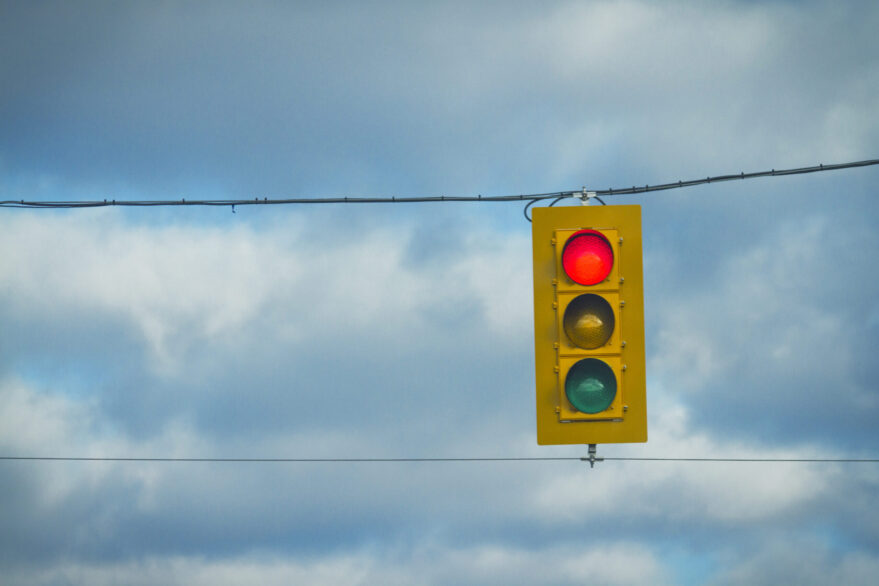
Speeding is one of the leading causes of traffic fatalities in Colorado, accounting for more traffic-related deaths in 2024 than impaired driving and failing to wear a seat belt. This behavior is especially dangerous at intersections, where a driver may try to beat a yellow or red light and inadvertently collide with another vehicle that has the right of way.
To discourage this practice, Denver operates several red light cameras at certain intersections to detect and ticket drivers who ignore or fail to obey traffic signals.
Locations of Red Light Cameras in Denver
As of 2025, four intersections in Denver have red-light cameras:
- 6th and Kalamath (eastbound)
- 6th and Lincoln (eastbound)
- 8th and Speer (westbound)
- 36th and Quebec (northbound)
The cameras at these locations are automated and operate 24 hours a day, seven days a week. These intersections were chosen based on complaints by locals, violation data, and the presence of speed zones to protect vulnerable road users.
How Do Red Light Cameras Work?
When a vehicle enters an intersection after the light has turned red, the red light camera is triggered. It captures photos—and in many cases, video—of the vehicle, license plate, and sometimes the driver.
These images are then reviewed by law enforcement officers to confirm whether a violation occurred. If confirmed, the registered owner of the vehicle receives a Notice of Violation, which includes the images and information about how to pay or contest the ticket.
Failing to respond can result in additional penalties, including late fees or collection efforts. This automated system helps enforce traffic laws consistently and without requiring a police officer to be present at the scene.
Red Light Cameras vs. Traffic Cameras
It’s important to understand the difference between red light cameras and general traffic cameras:
- Red light cameras: Installed specifically to catch and deter red light violations. These are enforcement tools used to issue citations.
- Traffic cameras: Installed to monitor traffic flow in real time. These are not used for ticketing but help manage congestion, respond to emergencies, and guide city infrastructure planning.
In short, one type enforces the law, while the other is used to manage and monitor traffic conditions across the city.
Can Camera Footage Help in a Car Accident Case?
In addition to improving safety, traffic and red light camera footage can serve as powerful evidence in a car accident case. Because Colorado follows an at-fault insurance system, the party who caused the accident can be held financially responsible for the victim’s medical bills, lost wages, and other damages.
Footage from nearby cameras can show:
- Which driver had the right of way
- Whether a vehicle ran a red light
- The severity of the impact
- Road and weather conditions at the time of the crash
Together, these pieces of evidence can build a compelling case, especially when liability is unclear or contested.
Don’t Wait—Traffic Footage Doesn’t Last Forever
Time is critical. Red light and traffic camera footage is typically stored for only a limited period—sometimes just days or weeks—before being overwritten or deleted. If you’ve been injured in a crash near a camera-monitored intersection, it’s crucial to act quickly.
A personal injury lawyer can help:
- Send formal preservation requests for footage
- Subpoena relevant video or images
- Use the footage to support your case and demonstrate fault
Acting promptly can make the difference between a strong case and lost evidence, especially when fault is disputed.
Exercise Care at Intersections
Red light cameras are intended to improve traffic safety and reduce the number of injuries and fatal crashes. They accomplish this goal primarily by capturing images of drivers who violate traffic rules so the Denver Police Department can issue violation notices and collect penalties from them.
These cameras can also promote traffic safety by making it easier for road users to hold negligent motorists accountable for preventable accidents. To be useful in this way, an injured driver and their attorney must take swift action to preserve any relevant video footage before it’s deleted, overwritten, or otherwise lost.
Contact Zaner Law Personal Injury Lawyers for a Free Consultation With a Denver Car Accident Lawyer
For more information, contact the Denver Car Accident lawyers at Zaner Law Personal Injury Lawyers to schedule a free initial consultation with a Denver personal injury lawyer.
We are located in Denver, CO, proudly serving all of Denver County.
Zaner Law Personal Injury Lawyers
1610 Wynkoop Street, Suite 120
Denver, CO 80202
(720) 613 9706